Hyperthyroidism

Hyperthyroidism

Hyperthyroidism

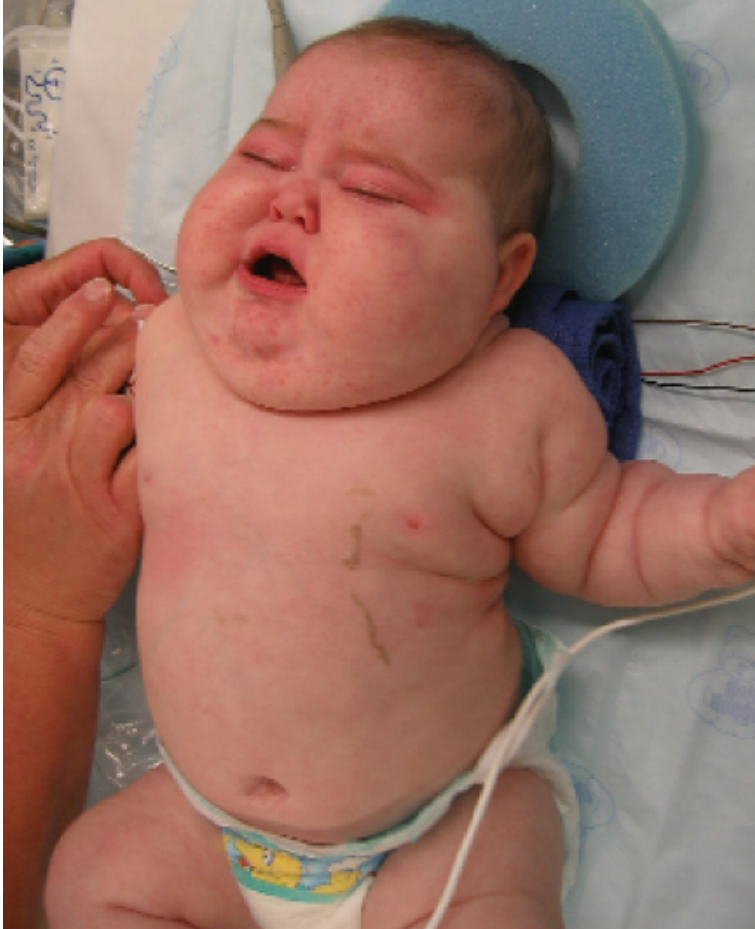
Cushing’s Syndrome

CUSHING's SYNDROME

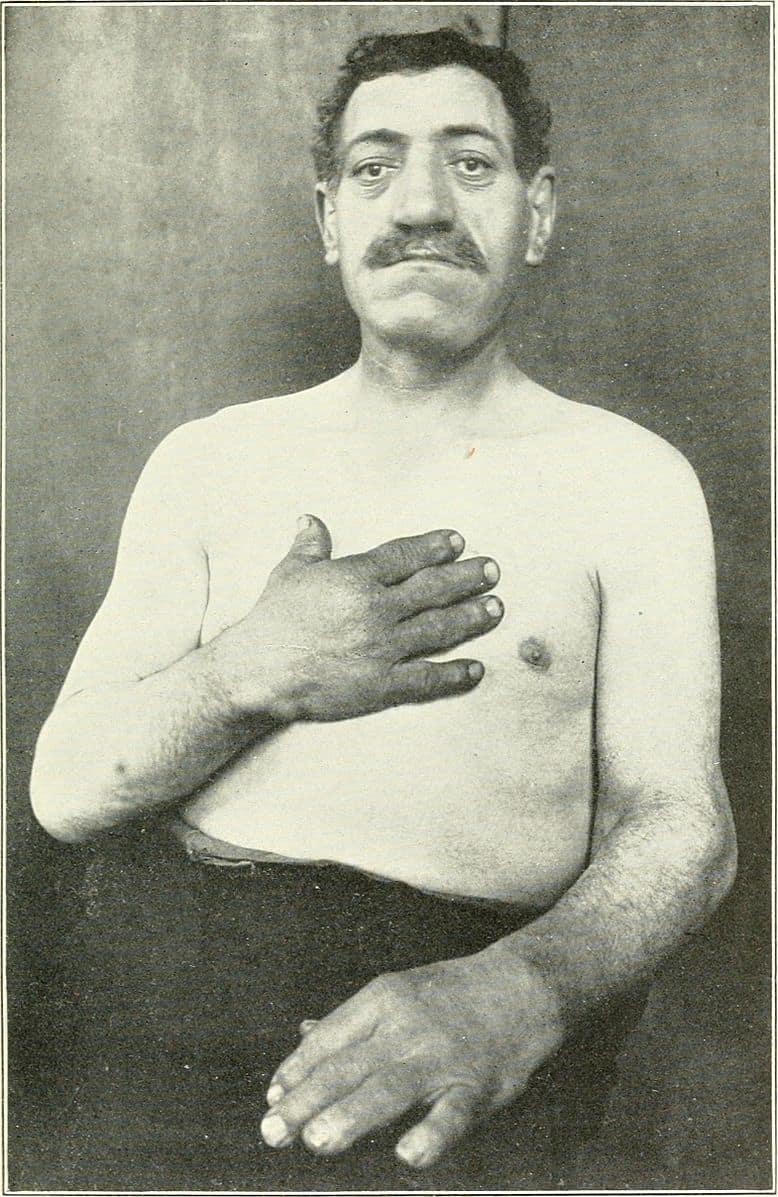
Acromegaly

Acromegaly

Acromegaly has become a relatively rare case, we hereby have sought after cases with significant clinical findings to have a systematized discussion.

Examination of the Endocrine System

Examination of the Endocrine System

The Endocrinology is not just restricted to thyroid disorders  and diabetes alone. It is way more extensive and it’s clinical examination is a crucial aspect.

Abdominal examination

Abdominal Examination

The Abdominal examination is not just restricted to the Gastrointestinal system, rather it covers all the quadrants of abdomen. Learn the secrets to score higher in this system.

Enter

Greet the Examiner

Sanitize your hands

Introduce yourself to the examiner

Inspect around for any clues

Approach from the right side and adequately expose the patient take patients permission and adequately expose the patient, up to knees and abdomen, if male possibly bare above the waist

Check for asterixis, clubbing, nail changes, nicotine staining, Dupuytren’s contracture, check for scars, radial artery scars, arts line, run your hands to check for av fistula, if you find a fistula do not forget to palpate and auscultate, you are supposed to comment whether it is being used or not so look for puncture marks. Also check for any tattoo marks. Check the pulse, offer for blood pressure.

Inspect for JVP it can be seen to know about cardiac cirrhosis, restrictive cardiomyopathy associated with liver conditions, volume status in renal failure, also check for puncture marks in neck for any previous central line insertion, also do not forget to check for lymph nodes

Check for pallor, icterus

Check oral cavity, denture, oral hygiene, tongue, ulcers, gum hypertrophy

Check for any gynecomastia, if it is there then examine for it asking permission from the examiners and the patient,

Always start with the inspection Adequately expose the abdomen and inspect all quadrants, check if they are moving symmetrically, notice any distended veins, scars, scars of peritoneal dialysis, check if there is any pyoderma gangrenosum, scars of splenectomy, liver transplant, hernioplasty, check for visible pulsation, distended veins,

Superficial Palpation

Palpate gently and look at the patients face for any grimace to notice any tenderness

Liver: start from right lower quadrant just beyond umbilicus and palpate towards right costal margin advancing with each deep inspiration. Identify where the liver edge is felt, note any tenderness, texture, nodularity etc.

Lif -palpate deep for any masses, transplant kidney

Rif- palpate deep for any masses, transplant kidney

Epigastrium - palpate deep for any masses, gentle if pulsatile

Hypogastrium - palpate for any swellings from pelvis incl bladder

Rt flank; lt flank - check for ballotable swellings

Percuss liver

Percuss for shifting dullness (do not do that in case of very gross ascites, where you can do fluid thrill by asking either patient or examiner to keep ahand)While in the same position palpate for the spleen and percuss it.

Percuss over enlarged Kidneys

Right iliac fossa for bowel sounds, just on either side of midline halfway between umbilicus and xiphisternum for renal bruit. Also, on all masses felt auscultate for vascularity as evidenced by bruit especially liver.

BACK: Then sit the patient up Check for spider angioma in the back of upper trunk, gynecomastia, sacral edema.

LEGS: Finally, both legs for pedal edema.

Concluding: Thank the patient, offering to help dress him up, wash hands and turn to the examiner. Present by saying that you would finish the examination by further checking for hernial orifices, per rectal examination.

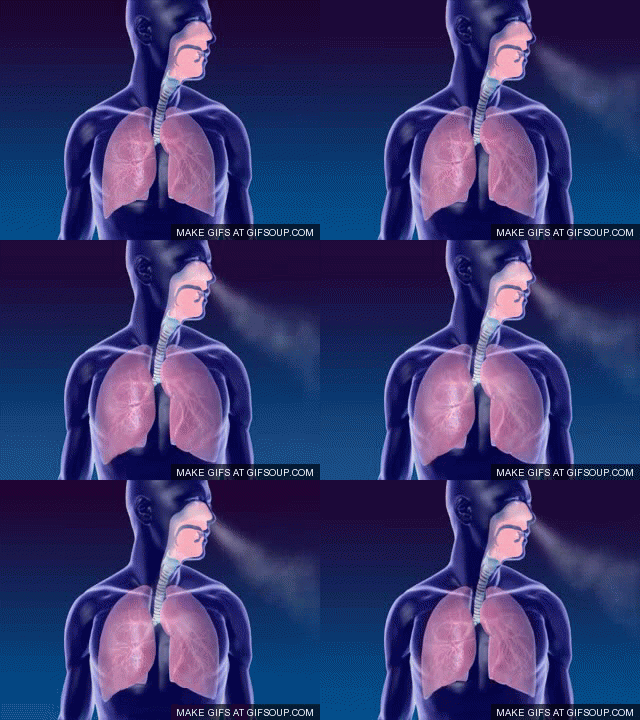
Examination of Respiratory System

Examination Of Respiratory System

Lungs being the only organ to float on water, its extensive peculiarity lies when to learn to pick up different lung sounds and associate them to the clinical condition…

Enter

Greet the Examiner

Sanitize your hands

Introduce yourself to the examiner

Check If The Patient Is Short Of Breath At Rest, See For Usage Of Any Accessory Muscles, Pursed Lip Breathing, Intercostal Indrawing, Scar Marks, Any Audible Noises, Ask The Patient To Cough

Inspect around for any clues

LOOK AROUND, ANY INHALERS, OXYGEN DELIVERY DEVICES, CPAP DEVICES, NEBULISERS, SPUTUM POT (IF YOU SEE A SPUTUM POT YOU ARE EXPECTED TO OPEN IT UP AND CHECK)​

Note Any Deformities Of The Chest WallPectus ExcavatumPectus CarinatumKyposcholiosisBarrel Shaped Chest
Look For Any Cushingoid Appearance

Begin Examination Asking The Patient To Raise His Hands With Wrists Extended. Asterixis Checked, Look, On Dorsal Aspect, For Clubbing, Cyanosis(Peripheral), Splinter Hemorrhages, Leukonychia Or Koilonychia, Onycholysis, Nail Pitting, Nicotine Staining (Not To Mention In Abdomen Station), Then Ask The Patient To Turn The Hands Over To Examine The Palmar Aspect For – Radial Artery Scar, Dupuytren’s Contracture, Thenar & Hypothenar Wasting, Check The Pulse. No Need To Check Both Sides, Or For Collapse

Inspect The Jvp, Also Part Of Resp Exam, Talks About Corpulmonale

Look For High Arch Palate, Dental Hygiene, And Tongue (Undersurface Of Tongue Cyanosis, Gingival Hyperplasia (Nifedipine, Cyclosporine Toxicity)

Always start with the inspection Adequately expose the Chest and inspect, check if the chest wall movements are bilaterally symmetrically, notice any distended veins, scars, scars over chest wall. Any surgical or ICD scar, Note Any Deformities Of The Chest WallPectus ExcavatumPectus CarinatumKyposcholiosisBarrel Shaped Chest.

Trachea

Palpate For The Tracheal Position, Check Which Side It Is Deviated Mostly It’s The Pathological Side Unless You Are Dealing With A Massive Pleural Effusion, Also Check Cricosternal Notch Distance Which Will Be Reduced In Copd.
Go Backkkkk! Respiratory System The Money Is On The Back. Don’t Waste Your Time Once You Determined The Tracheal Position

Palpate for lymph nodes

Palpate For Breath Movements, Check For Sacral Edema

Check For Pedal Edema

Percuss anterior chest wall

FRONT: Auscultate all the lung fields Vocal resonance is important

BACK: Auscultate all the lung fields Vocal resonance is important

Concluding: Thank the patient, offering to help dress him up, wash hands and turn to the examiner.

General Examination

A detailed head-to-toe analysis of the patient along with the essential clinical findings that would be the cornerstone for finding a disease condition would be covered in this section.

Art of Physical Examination

Art of Clinical Examination

Yet many more clinical videos in the category to detail the system involved and lead towards diagnosis.

General Examination
Examination Of Cardiovascular System
Examination of Abdominal System
Examination of Respiratory System
Examination of Endocrine System
Neurological Examination
Untitled design (5)
Examination in Rheumatology
Back To Top